

There are two stages of baby bird – one is nestling and the other is fledgling. Let us understand it in a simple manner…
Nestling: A bird that is too young to leave its nest
Fledgling: A bird that is learning to fly.
If you come across an abandoned baby bird first thing to do is to find the distinction between two stages of a bird…is it Nestling or Fledging???
Nestling: A small with a pinkish body and typically naked or with just a few fluffs.
Fledging: Comparatively bigger and fully covered with feathers.
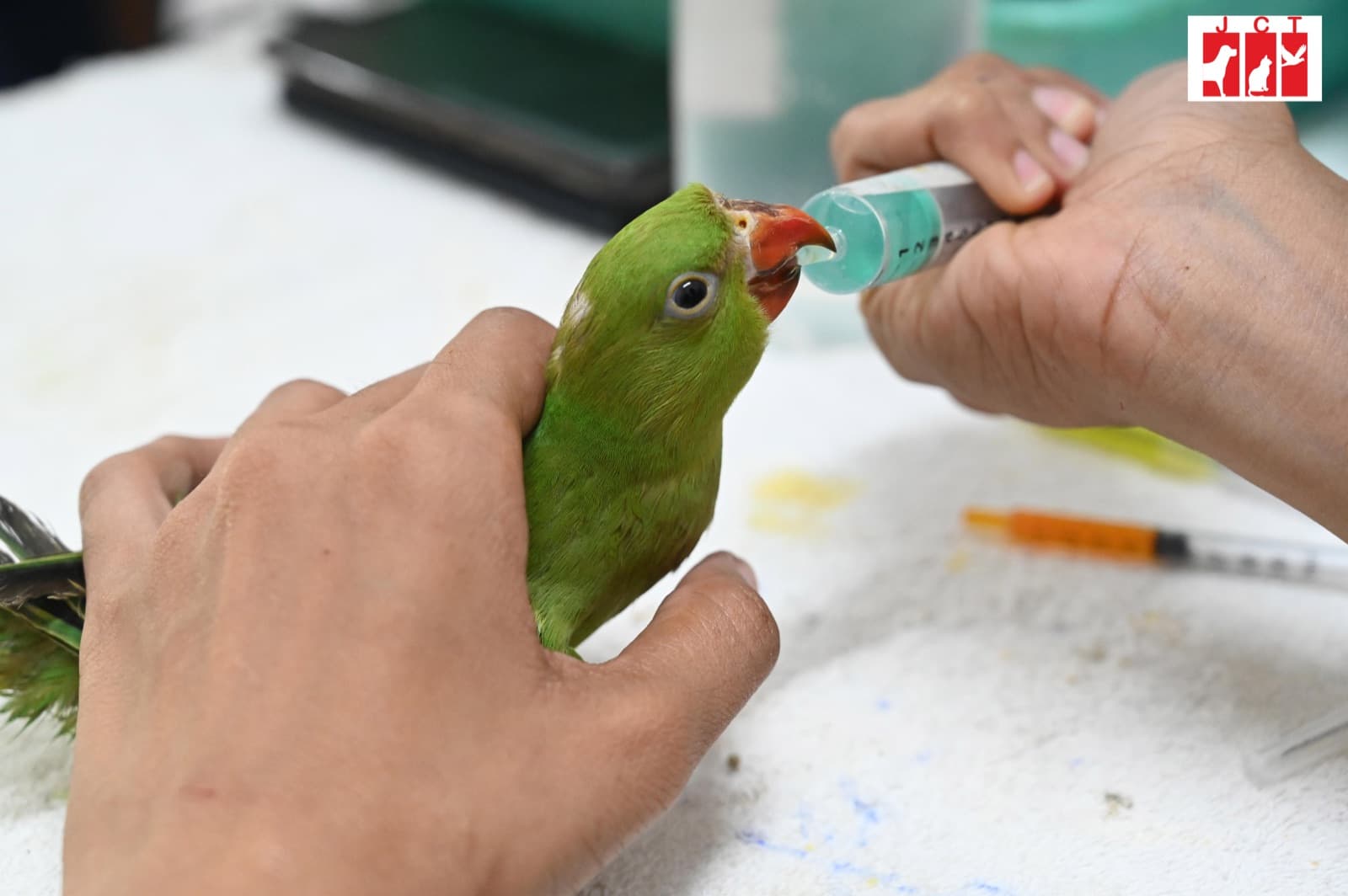
Under such circumstances, there are certain points to be taken care of as listed here:
IF you find the bird. Give it space and let it be on its own.
Make sure, if it requires medical attention? The signs of ill birds are:
Feathers might be wet, and so on.
Make sure it is not facing any dangers from predators nearby.
In the case, you find such a bird, call JCT and in the meantime take it to a safe location, put it in a warm and comfortable cloth.
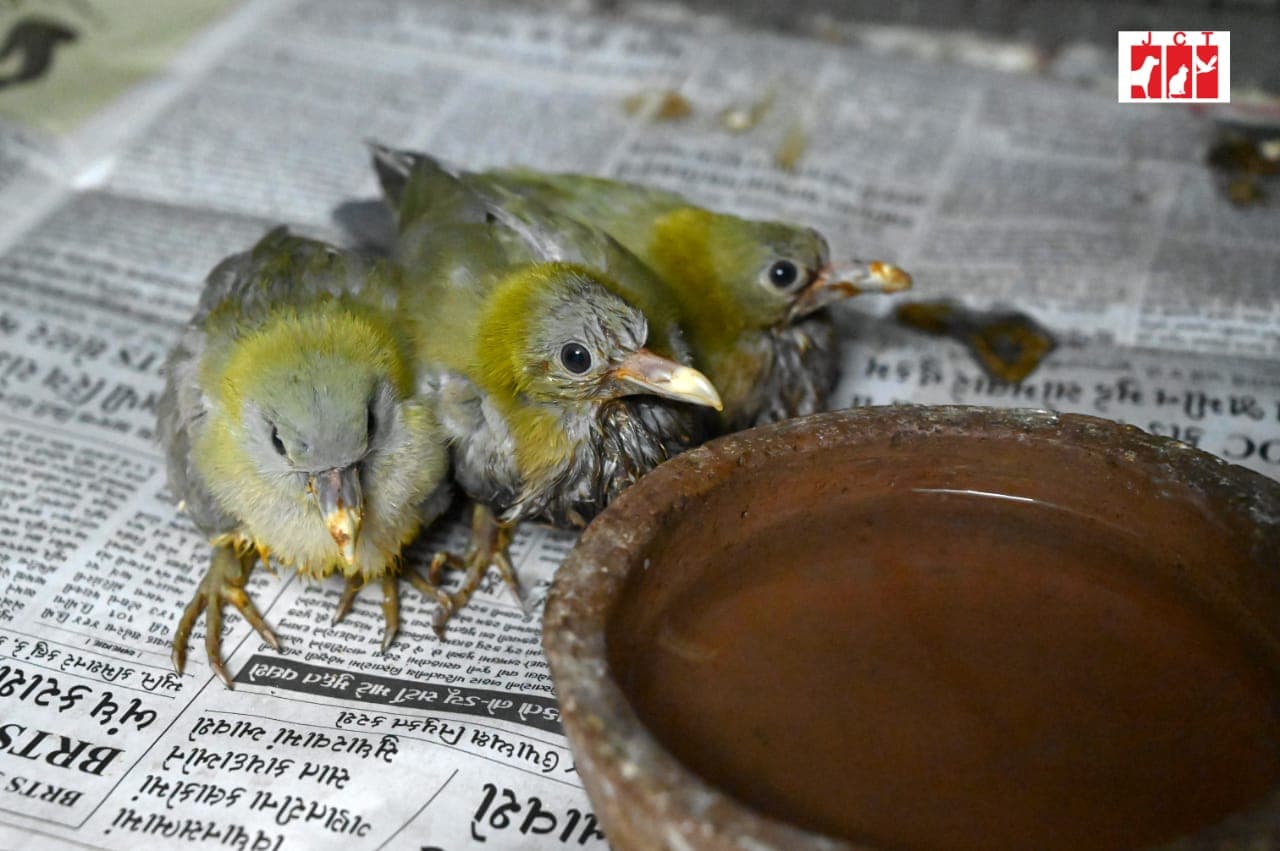
Find a suitable size box and make it rest in it until a doctor or an expert comes there.
The nesting birds, on the other hand, might surely need to be rescued as it might have fallen or may have been pushed from their nest and are not ready to fly on their own.
Try to find a nest in the nearby bushes or trees.
Simply put the chick back, its parents will resume its care.
Don't hesitate to touch the baby, it is a wrong perception that a bird with a human touch is rejected by their family members. They don't have that powerful smelling sense. They are not going to abandon the chick.
If you don't find the nest simply find a small container like a strawberry basket and line it with a soft cloth like a T-shirt or some straw, but make sure it is dry.
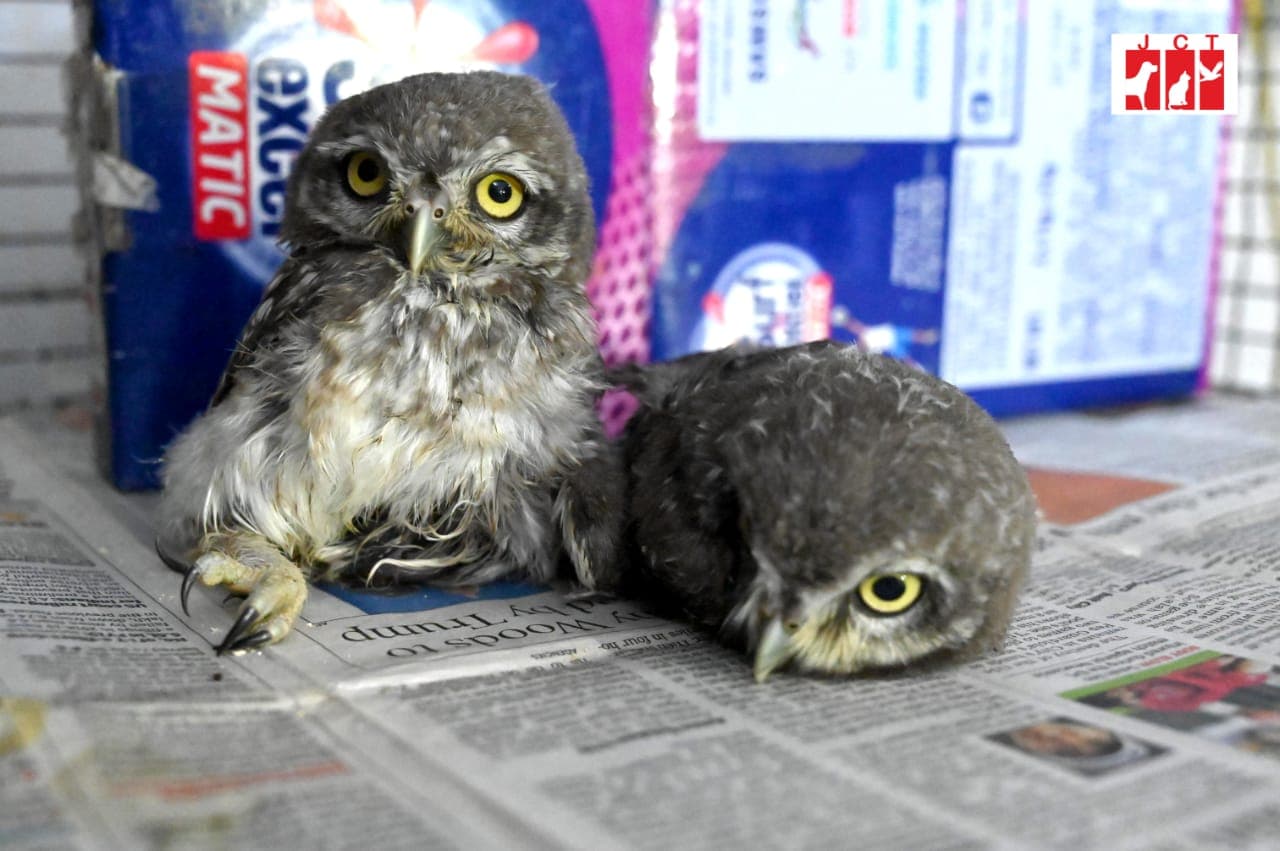
Gently put the bird in it and affix the artificial nest to a tree nearby, having birds on it.
Try to put nest as high as you can to keep it safe from predatory eyes.
Keep an eye on the nest for an hour if the baby's parents don't come to baby, call JCT.
Don't try to rescue a fledgling bird as it is a normal part of their development curve. They are generally under the surveillance of their parents.
If you rescue a fledgling bird and when raised by a human hand, it might confuse humans as its parents. If that happens bird would not know how to be a bird.
During summer birds get dehydrated, in that case, their belly is like a prune, wrinkled, and sucked in. These are the signs of the dehydrated bird.
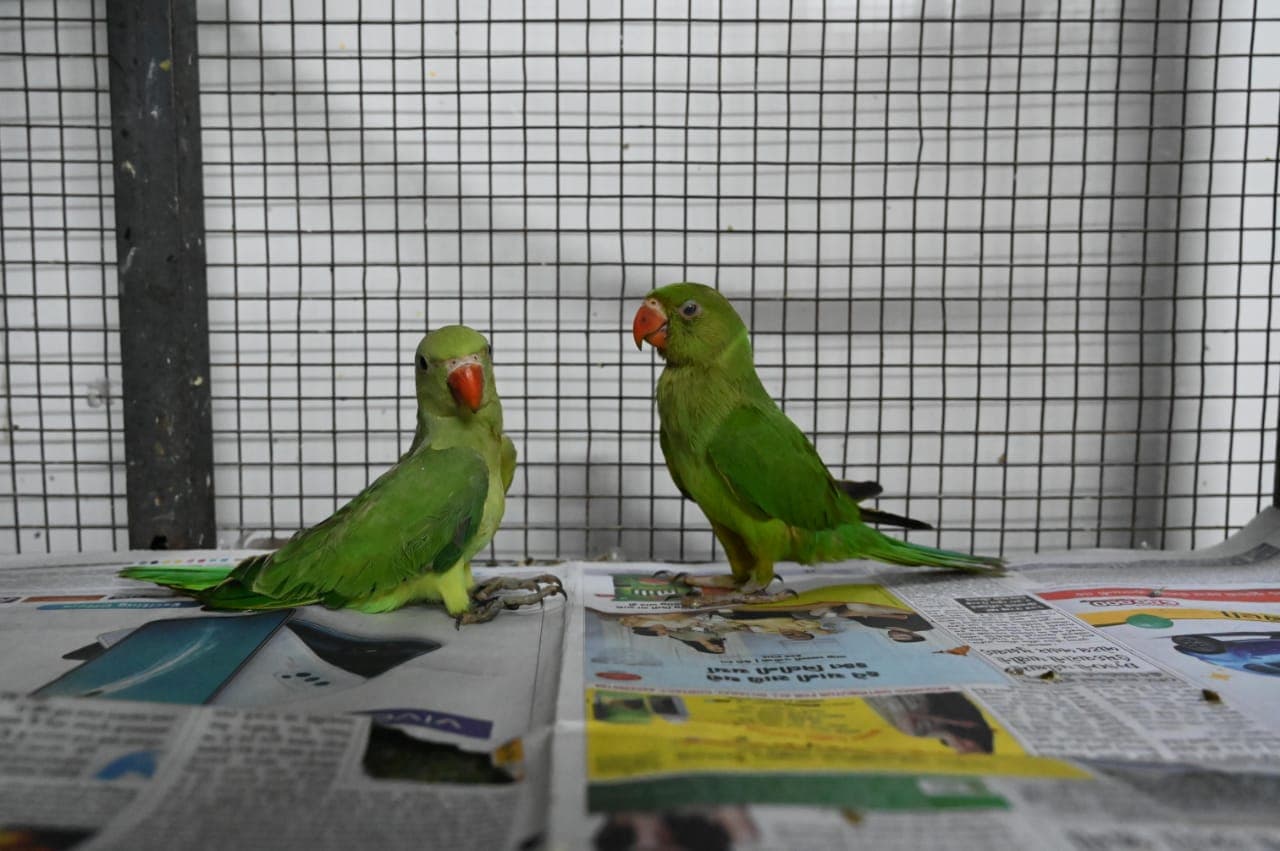
Don't start feeding them with unnecessary food as your good intentions and actions can harm the poor creature.
If you have built an artificial nest please don't put it on a hard surface and on wet cloth that might harm the bird.
Don't put a baby bird under the sun or in an open area.
Don't try to feed the bird with improper food as it might damage its body. Let a vet come and do the needful.
Don't leave the bird unattended as predatory animals can kill the bird.
This information will surely change your perception about birds and we hope one day these facts will help you in your 'helping act'. For us to cherish what remains on the earth and to foster its renewal is the best way to express gratitude towards Mother Nature. As flowers, birds, animals, and all the creatures are the living expression of the earth that we should treasure and conserve, and that is only our legitimate hope for survival on this planet.